Situation Overview
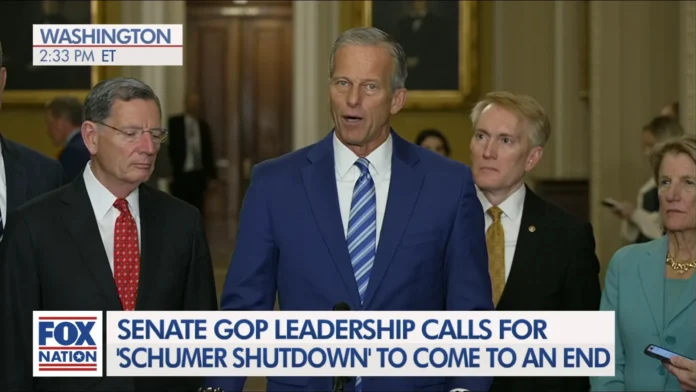
Senate Republicans this week advanced a national security-focused legislative package aimed at strengthening border enforcement coordination, enhancing defense readiness, and tightening oversight of federal security programs. GOP lawmakers describe the bill as a comprehensive effort to reinforce domestic stability and modernize national defense infrastructure amid evolving global threats.
The move reflects a broader Republican emphasis on security-first governance, tying domestic enforcement measures to strategic military preparedness. With geopolitical tensions persisting abroad and immigration debates continuing at home, Senate leadership has framed the legislation as a proactive safeguard for American interests.
Democrats have indicated they will review the bill’s provisions carefully, signaling potential negotiation over funding levels and oversight language.
What Happened
The proposed legislation includes several key components:
-
Increased funding allocations for border enforcement coordination
-
Expanded modernization programs for military readiness
-
Strengthened oversight of federal grant distribution tied to security initiatives
-
Enhanced cybersecurity safeguards for critical infrastructure
Senate committee leaders advanced the measure following hearings that addressed both domestic and international security challenges. Republican senators emphasized the need for updated defense capabilities while also ensuring internal enforcement agencies have adequate resources.
The bill builds on earlier House discussions regarding fiscal prioritization, aligning security funding with broader budget frameworks currently under debate in Congress. Lawmakers involved in drafting the proposal have argued that national security investments should be insulated from partisan gridlock.
Recent reporting from major national outlets highlights that defense appropriations and border security funding remain central pillars in ongoing fiscal negotiations.
Trump and GOP Response
President Donald Trump has publicly endorsed efforts to strengthen national security and reinforce border infrastructure. In recent remarks, he underscored the connection between domestic enforcement and global stability, arguing that a secure homeland supports broader strategic strength.
Senate Republican leadership echoed those sentiments, describing the bill as a forward-looking measure that balances deterrence, preparedness, and fiscal responsibility. Several GOP senators stressed that modernization investments are essential as global security dynamics evolve.
Trump allies have framed the initiative as consistent with his first-term policies that emphasized military readiness and border enforcement as complementary priorities. Republican lawmakers maintain that maintaining strong defense capabilities and enforcing federal immigration laws are foundational responsibilities of the federal government.
Broader Implications
National security legislation often carries bipartisan elements, particularly when focused on defense modernization and cybersecurity. However, disagreements may emerge over funding allocations and enforcement provisions.
If passed, the bill could influence appropriations debates in both chambers, potentially shaping long-term defense planning and border enforcement strategy. Security-focused legislation also tends to intersect with fiscal policy discussions, especially when deficit concerns are elevated.
Analysts note that global geopolitical developments frequently influence the pace and scope of congressional security initiatives. While the immediate bill focuses on structural updates, its passage could set the tone for future security packages.
For Republican lawmakers, advancing the bill demonstrates legislative momentum on an issue consistently ranked as a top voter priority. For Democrats, negotiations may center on ensuring oversight mechanisms and funding balance across domestic programs.
What Comes Next
The bill is expected to proceed to further debate on the Senate floor, where amendments may be introduced. Should it pass the Senate, reconciliation with House proposals will determine its final structure.
Given the high-profile nature of security legislation, leadership in both chambers will likely prioritize timely consideration. Whether the bill advances as a standalone package or becomes part of a broader appropriations measure remains to be seen.
As Washington continues navigating fiscal negotiations and global security concerns, Senate Republicans are positioning security policy at the forefront of legislative activity—reinforcing a message centered on preparedness, enforcement, and national resilience.