Situation Overview
The White House is facing renewed pressure over immigration policy as congressional Republicans intensify calls for stricter enforcement measures and clearer federal coordination at the southern border. With immigration continuing to rank among top voter concerns, the policy debate has returned to the forefront of national politics.
Recent congressional hearings and public statements from GOP lawmakers have centered on enforcement benchmarks, asylum processing timelines, and interagency coordination. Republicans argue that inconsistent implementation of existing immigration laws has strained border communities and federal resources. The administration, meanwhile, has defended its approach as focused on balancing enforcement with humanitarian processing obligations.
As budget negotiations and legislative discussions move forward, immigration policy remains a central flashpoint.
What Happened
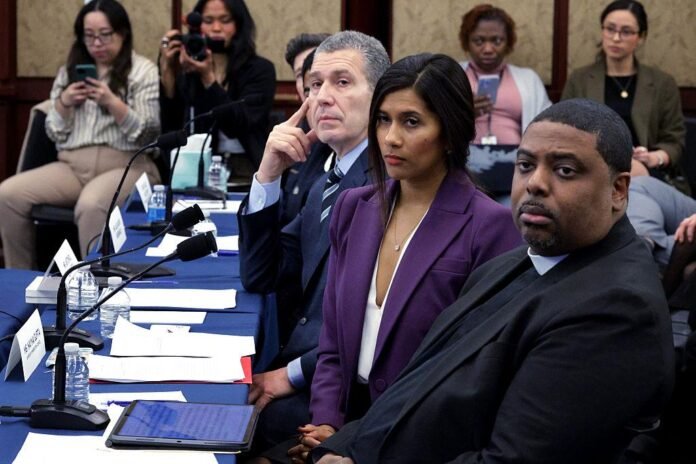
In recent days, House committees have examined federal immigration enforcement operations, questioning agency officials about resource allocation, case backlogs, and coordination with state authorities. Lawmakers highlighted data regarding migrant encounters and processing capacity, arguing that structural reforms are necessary to restore operational stability.
Republican members emphasized several policy priorities:
-
Clearer enforcement benchmarks for border crossings
-
Expanded detention and processing capacity
-
Improved coordination with state and local law enforcement
-
Streamlined asylum case review procedures
The White House has responded by pointing to investments in personnel and processing resources, as well as diplomatic efforts aimed at addressing migration drivers abroad. Administration officials maintain that immigration challenges require comprehensive legislative action rather than enforcement measures alone.
Recent reporting from national outlets confirms that immigration remains a contentious issue in ongoing spending and policy negotiations in Washington.
Trump and GOP Response
President Donald Trump has sharply criticized current immigration policies, reiterating his support for expanded border infrastructure and stronger enforcement mechanisms. In public remarks, he emphasized that border stability is foundational to national security and economic order.
House and Senate Republicans have aligned with that messaging, framing enforcement-first policies as necessary to restore predictability in the immigration system. Several GOP lawmakers argue that without clear enforcement standards, broader immigration reform efforts are unlikely to succeed.
Trump allies have positioned immigration as a defining policy contrast heading into upcoming elections, asserting that a structured enforcement strategy promotes both national security and legal immigration integrity.
Broader Political Implications
Immigration consistently ranks among the most salient issues in national polling, particularly in border states and swing districts. The renewed debate places pressure on both parties to articulate comprehensive yet workable solutions.
Republicans are expected to continue advancing enforcement-related amendments in appropriations and authorization bills. Democrats have indicated they will seek balanced approaches that address humanitarian obligations and legal processing systems.
The policy divide reflects broader philosophical differences over federal authority, state coordination, and the appropriate balance between enforcement and reform.
What Comes Next
Further committee hearings are expected in the coming weeks, along with continued budget negotiations that may incorporate immigration-related provisions. Legislative progress will depend on whether bipartisan compromise emerges around funding levels and enforcement benchmarks.
In the meantime, immigration policy is likely to remain a central theme in national political discourse. With both parties sharpening their positions, the White House faces sustained scrutiny as lawmakers debate the future direction of federal immigration enforcement.