Story Highlights
- The US and Iran signed an MOU in Geneva on June 19, launching 60 days of nuclear and diplomatic negotiations
- Iran agreed to reopen the Strait of Hormuz and halt military operations, while the US agreed to significant financial concessions
- Critics, including former Secretary of State Antony Blinken, argue Iran gained more than it gave up
What Happened
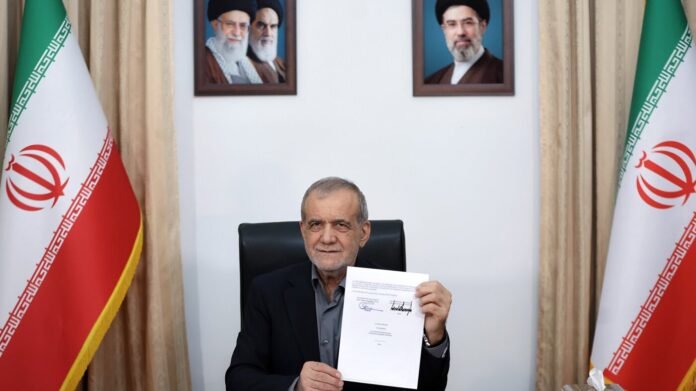
The United States and Iran announced their agreement on a framework that includes a 60-day ceasefire and reopens the Strait of Hormuz, with the MOU formally signed on June 19 in Geneva. The deal paves the way for negotiations on Iran’s nuclear ambitions, which had been a central driver of the conflict.
The signing kicks off 60 days of negotiations, including over Iran’s nuclear ambitions. Trump said he is the only president to achieve real peace with Iran, though most experts told PolitiFact that, based on what is known so far, the deal does not amount to a peace agreement.
The deal shared in the lead-up to the Geneva signing explicitly mentioned that its terms cover an immediate, permanent stop to military operations in Lebanon and ensuring the sovereignty of Israel’s neighbor. Analysts noted that it will take real time and political commitment, including from Washington, to continue keeping the Lebanon-Israel process progressing.
Marco Rubio, the Secretary of State, attended the signing alongside Iranian counterparts. The deal comes after months of military conflict that followed joint US-Israeli strikes on Iranian nuclear facilities in February 2026, a campaign that drew fierce criticism from within Trump’s own political coalition, including from conservative commentator Tucker Carlson, who publicly denounced the president over the strikes.
Pakistan’s Foreign Minister Mohammad Ishaq Dar confirmed the Swiss city of Geneva as the venue for the agreement signing, describing the development as a significant breakthrough that provides much-needed confidence and stability to global markets and the world economy, particularly for developing countries most vulnerable to regional instability.
Why It Matters
The Geneva signing represents the most significant diplomatic development of Trump’s second term and carries enormous consequences for US global standing, energy markets, and the ongoing nuclear nonproliferation debate. Whether it ultimately constitutes a genuine strategic victory or a face-saving exit from a costly conflict will be debated for years.
Former Secretary of State Antony Blinken posted on X that the only achievement of the ceasefire is the likely reopening of the Strait of Hormuz, which was open before the war started, adding that the US will apparently pay Iran to do so. Trump countered critics by saying on social media that anyone who thinks he has not been tough enough on Iran, when the stock market is high and oil prices are falling, is either jealous, bad, or stupid. Vice President JD Vance called on critics to have a little bit of faith in the president.
In a hard accounting of the war, Iran’s closure of the Strait of Hormuz gave it the leverage to secure from Trump concessions that unlock vast sums of money — even more, potentially, than under the Obama administration. This dynamic has inflamed Republican hawks who view the deal as rewarding Iranian aggression rather than punishing it.
On the nuclear question, the picture is similarly murky. Regarding Iran’s nuclear program, the Iranians so far appear not to have offered Trump any more concessions than they did at earlier Geneva talks. Iran will repeat past pledges never to acquire nuclear weapons, but the enforceability of those commitments remains unclear and is at the core of what the 60-day negotiation must resolve.
The deal also tests the durability of the US-Israel relationship. Israeli Prime Minister Benjamin Netanyahu, whom Trump publicly called a very difficult man during the negotiations, did not publicly endorse the MOU terms, raising questions about coordination between the two allies on the next phase of diplomacy.
Economic and Global Context
Oil prices fell on the announcement of the agreement, with Brent crude and US crude prices declining after the deal was announced. The Strait of Hormuz, through which roughly 20 percent of global oil supply passes, had been blocked by Iran during the conflict, causing substantial disruption to international energy markets and contributing to inflationary pressure worldwide.
The financial concessions the Trump administration agreed to as part of the deal are expected to unlock billions in previously frozen Iranian assets. Analysts note that this represents a significant windfall for Tehran at a moment when its economy was under intense strain from US sanctions and wartime disruption. The scale of those concessions, once fully disclosed, is expected to fuel further congressional scrutiny.
Pakistan’s foreign minister described the development as providing much-needed confidence and stability to global markets and the world economy, particularly for developing countries most vulnerable to regional instability. Gulf states, which had watched the Iran war with considerable anxiety, responded cautiously to the MOU, welcoming a ceasefire while remaining uncertain about what a nuclear-capable or politically resurgent Iran might mean for regional security.
For American businesses with exposure to Middle Eastern markets, the deal offers a degree of relief, but the 60-day negotiating clock introduces new uncertainty. Investment decisions in the energy sector remain on hold pending the outcome of the nuclear talks.
Implications
The Geneva MOU sets the stage for one of the most consequential diplomatic negotiations in decades. The 60-day window is short by any historical standard for nuclear diplomacy, and the list of unresolved issues — verification mechanisms, inspections, Iranian centrifuge capacity, sanctions relief sequencing — is long. A failure to reach a final agreement within that window could reignite hostilities.
Domestically, the deal is likely to deepen divisions within the Republican coalition. Hawkish members of Congress who supported the Iran strikes but expected a more decisive outcome will scrutinize the terms closely. Democrats, meanwhile, face the political challenge of criticizing a ceasefire while supporting diplomacy, a tension that will play out in committee hearings in the weeks ahead.
For Iran, the agreement provides both economic breathing room and a political reprieve. It also opens a path toward international rehabilitation that was foreclosed by years of sanctions and isolation. Whether Tehran uses that window to negotiate in good faith or to buy time to reconstitute capabilities will define whether the deal holds.
Both sides appear to have agreed to a cessation of military operations on all fronts and to lift their respective blockades on maritime traffic through the strait. Iran will engage in technical negotiations with the United States on the future of its nuclear program. The credibility of that process now rests heavily on the diplomatic machinery that Secretary Rubio and his Iranian counterparts must build in the weeks ahead.
Sources