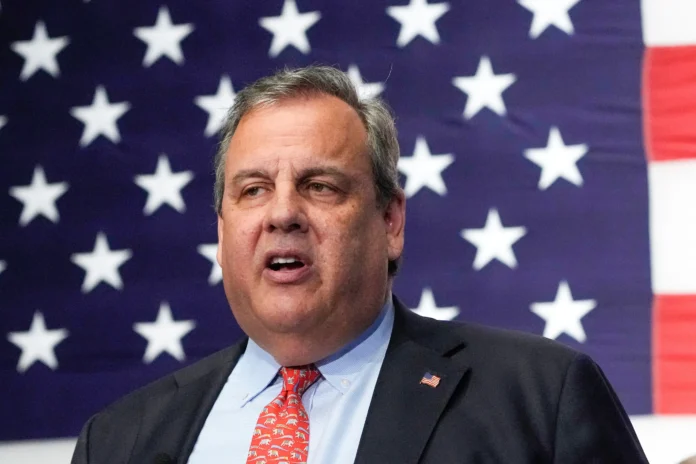
Former New Jersey Governor Chris Christie delivered a blunt warning to fellow Republicans this week, predicting a landslide defeat in the 2026 midterm elections that he says will force the party to finally confront the direction Trump has taken it. Christie’s comments, made during a podcast appearance, come as new polling shows Democrats gaining ground in both the House and a growing number of competitive Senate races. The remarks add a prominent Republican voice to mounting evidence that the GOP faces serious midterm headwinds.
Story Highlights
- Chris Christie predicted Republicans are headed for a “monumental defeat” in the 2026 midterm elections during a podcast interview.
- Christie said Democrats will likely win the House and have a better-than-expected chance at the Senate, citing Texas as a competitive race.
- New York Times/Siena polling shows Democrats competitive in six Senate battleground states, with just 36 percent approving of Trump’s handling of cost-of-living issues.
- Christie has previously described the Republican Party as having “no principles left” and called congressional Republicans “lemmings.”
What Happened
Former New Jersey Governor Chris Christie, a Republican who ran against Trump in both the 2016 and 2024 presidential primaries, predicted this week that his party is headed toward a severe defeat in the upcoming midterm elections. Speaking on comedian Hasan Minhaj‘s podcast, Christie was asked whether Republican voters want to hear hard truths about the party’s direction. “Probably not a majority of them right now,” Christie responded, “but you know what forces people to have to listen to the truth? Losing.” He went on to state plainly, “I think we’re on our way to a monumental defeat as a party in the 2026 midterms.”
Christie elaborated that he believes a significant electoral setback could ultimately serve a constructive purpose, forcing Republican voters and lawmakers to reevaluate positions and rhetoric that he believes have damaged the party’s broader standing. When Minhaj pressed him on whether Democrats could make major gains, Christie was direct in his assessment. “Oh, I think they’ll win the House,” he said, adding that Democrats now have “a better chance” at flipping the Senate than he previously believed, specifically citing the Texas Senate race as newly competitive territory that would have been considered safely Republican in past cycles.
Christie’s prediction did not emerge in isolation. It follows a pattern of increasingly pointed criticism he has leveled at the Republican Party throughout the year. In May, during an appearance at Harvard’s Kennedy School of Government, Christie asserted that the GOP had “no principles left” and described congressional Republicans as “lemmings” too fearful to publicly challenge Trump’s positions, even when they privately harbored reservations. He separately criticized Senator Lindsey Graham of South Carolina in unusually personal terms during that same appearance, calling him a “vacant human being,” reflecting Christie’s broader argument that many Republican officials have prioritized loyalty to Trump over independent judgment.
Christie acknowledged that any structural shift within the Republican Party would take considerable time to materialize even if his prediction of a midterm defeat proves accurate. “You have to have a long-term view of this,” he told Minhaj. “I think it’ll turn, but it’s not going to turn that day. But you got to start laying the groundwork.” His comments arrive alongside a broader body of polling data suggesting genuine Republican vulnerability heading into November, adding empirical weight to what might otherwise be dismissed as the isolated opinion of a Trump critic with his own complicated political history within the party.
Why It Matters
Christie’s warning carries particular significance because it comes from a former Republican governor and two-time presidential candidate who, despite his criticism of Trump, remains a recognizable and credentialed voice within conservative politics rather than an outside partisan commentator. When a figure with Christie’s background predicts a “monumental defeat,” it reflects a level of internal Republican concern that extends beyond typical partisan sparring and signals genuine anxiety within segments of the party’s establishment about its current trajectory under Trump’s continued dominance.
The prediction also matters because it aligns with independently gathered polling data rather than standing as an isolated political opinion. New York Times and Siena College polling has found Democrats competitive across six key Senate battleground states, a notable shift given that Republicans currently hold a 53-47 Senate majority and would need to lose several seats to relinquish control. Perhaps most tellingly, the same polling found only 36 percent of respondents approved of Trump’s handling of cost-of-living issues and just 33 percent approved of his handling of gas prices, suggesting the underlying economic dissatisfaction driving potential Republican losses is broad-based rather than limited to any single demographic or region.
For voters trying to assess the health of American democratic accountability, Christie’s comments underscore a broader point about how the midterm election cycle functions as a check on executive power regardless of which party controls the White House. Historically, the president’s party tends to lose ground in midterm elections, and Christie’s prediction, if borne out, would represent a continuation of that pattern, providing a potential mechanism for voters dissatisfied with the administration’s direction to register that dissatisfaction through congressional composition rather than through the presidency itself.
Economic and Global Context
The economic dissatisfaction underlying much of the polling data Christie’s prediction rests upon reflects genuine and measurable public concern about affordability. Beyond the cost-of-living and gas price approval numbers cited in the New York Times/Siena polling, Democrats have increasingly focused midterm messaging on economic themes, seizing on Trump’s own financial disclosures, which revealed substantial personal wealth gains during his time in office, as a contrast to broader public anxiety about household budgets and inflation-adjusted wages.
Generic congressional ballot polling has shown Democrats holding a modest but consistent advantage nationally, with some surveys showing leads as large as four to five points, a margin that, if it held through November, would likely be sufficient to flip House control given the chamber’s current narrow Republican majority. However, other polling, including surveys focused specifically on individual Senate races such as Maine, where incumbent Republican Susan Collins has maintained a narrow lead over her Democratic challenger, suggests the overall picture remains more competitive and uncertain than a uniform national environment might imply.
Globally, the outcome of the American midterm elections carries significant implications for foreign governments and international markets that have adjusted to the current administration’s trade, immigration, and foreign policy posture. A substantial Democratic gain in Congress could complicate the administration’s ability to advance its legislative agenda during the remainder of Trump’s term, a dynamic that foreign trading partners and allied governments are already factoring into their own diplomatic and economic planning as they assess the durability of current U.S. policy positions.
Implications
For Republican lawmakers, Christie’s prediction adds pressure to an already tense internal party dynamic, in which some officials have grown more willing to publicly break with the administration on specific policy matters, such as the SAVE America Act, even as they generally remain reluctant to challenge Trump directly on broader strategic or rhetorical grounds.
For Democratic strategists, Christie’s assessment, combined with supportive polling data, offers validation for a midterm strategy centered heavily on economic affordability messaging and contrasts between the administration’s own financial gains and broader public financial strain, a strategy already visible in recent Democratic messaging efforts highlighting Trump’s personal financial disclosures.
For voters, the months leading up to November will likely feature intensifying debate over whether Christie’s blunt prediction proves prescient or whether Republican strategists can identify effective countermeasures to the affordability-focused critique that Democrats appear positioned to make central to their midterm campaign, with the ultimate outcome carrying substantial consequences for the balance of power in Washington during the remainder of Trump’s term.
Sources