Story Highlights
- Federal Reserve adopts cautious stance on future rate changes
- Policymakers weigh inflation trends and economic stability
- Markets respond to signals of measured policy direction
What Happened
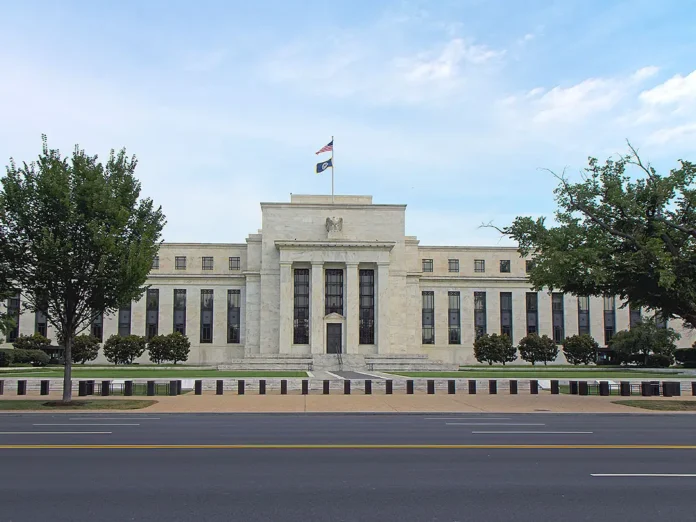
The Federal Reserve has signaled a cautious approach toward future interest rate decisions, reflecting a balanced assessment of current economic conditions. Policymakers are closely evaluating inflation trends, labor market data, and overall economic performance before making further adjustments.
Recent statements indicate that while inflation remains a concern, there are also signs of stabilization in certain sectors. The Fed is taking a data-driven approach, emphasizing flexibility and careful timing in its decisions.
Financial markets have reacted to the cautious tone, with investors adjusting expectations the pace of future rate changes. The central bank’s messaging suggests that abrupt shifts are unlikely, favoring gradual and measured actions instead.
Officials continue to monitor both domestic and global factors that could influence economic conditions. The outlook remains dependent on incoming data and evolving trends.
Why It Matters
Interest rates play a crucial role in shaping economic activity, influencing borrowing, spending, and investment. A cautious approach can help balance growth with inflation control.
For consumers, interest rate decisions affect mortgages, loans, and credit costs. Stability in rates can provide more predictability in financial planning.
For businesses, borrowing costs influence expansion and investment decisions. Clear signals from the Federal Reserve can help guide strategic planning.
The development also highlights the importance of central bank communication. Market expectations are often shaped by how policymakers signal their intentions.
Political and Geopolitical Impact
Domestically, monetary policy decisions often intersect with broader economic discussions. Policymakers and lawmakers may respond to the Fed’s approach when shaping fiscal strategies.
The issue also influences public perception, as interest rates directly affect everyday financial decisions.
Geopolitically, U.S. monetary policy has global implications. Changes in interest rates can impact currency values, capital flows, and economic conditions in other countries.
The situation reflects the interconnected nature of global financial systems, where central bank actions influence international markets.
Implications
If the Federal Reserve maintains a cautious approach, it could support economic stability while gradually addressing inflation. This may reduce the risk of sudden market disruptions.
However, unexpected changes in economic data could lead to adjustments in policy direction. Flexibility will remain key.
In the long term, the approach underscores the importance of balanced monetary policy. Careful decision-making will be essential to sustaining growth and managing inflation.
Sources
“Federal Reserve signals cautious approach on interest rates amid mixed data”