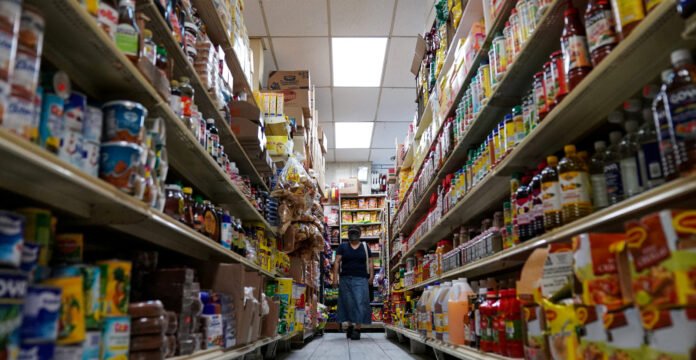
Food prices across the United States are showing mixed trends, with some categories stabilizing while others continue to experience increases. Recent data indicates that items such as grains and packaged goods are seeing more stable pricing, while fresh produce and certain proteins remain volatile.
Story Highlights
- Food prices vary across categories and regions
- Some items stabilize while others continue to rise
- Supply factors influence market fluctuations
What Happened
The variation is influenced by factors including supply conditions, transportation costs, and seasonal demand. Improvements in some supply chains have helped moderate prices, but challenges persist in other areas.
Retailers are adjusting pricing strategies to reflect changing costs, while consumers are adapting their purchasing habits. Substitutions and budget-conscious shopping are becoming more common.
The market remains dynamic, with regional differences adding to the complexity of pricing trends. Overall, the situation reflects ongoing adjustments in the food sector.
Why It Matters
Food prices directly impact household budgets, making them a critical economic factor. Variations in pricing can influence consumer behavior and spending patterns.
For consumers, rising prices in certain categories may require adjustments in shopping habits. For retailers, managing pricing and supply is essential for maintaining competitiveness.
The development also highlights the role of supply chains in determining costs. Stability in these systems is key to consistent pricing.
Additionally, food price trends contribute to broader inflation and economic conditions.
Political and Geopolitical Impact
Domestically, food prices are a key issue in economic discussions, influencing debates around cost of living and supply management.
The issue also affects public sentiment, as food is a fundamental expense for households.
Geopolitically, food supply and pricing are influenced by global factors, including trade and production conditions.
The situation reflects broader global challenges in managing food supply and demand.
Implications
If mixed trends continue, consumers may need to remain flexible in their purchasing decisions. Retailers will continue adjusting strategies.
However, improved supply conditions could lead to more stable pricing over time.
In the long term, the situation highlights the importance of resilient food systems. Ensuring stability will be essential for economic balance.
Sources
“Food prices show mixed trends across U.S. markets amid supply shifts”