Story Highlights
- World leaders react to rising U.S.–Iran tensions
- Calls for restraint and diplomatic engagement increase
- Concerns grow over global economic and security fallout
What Happened
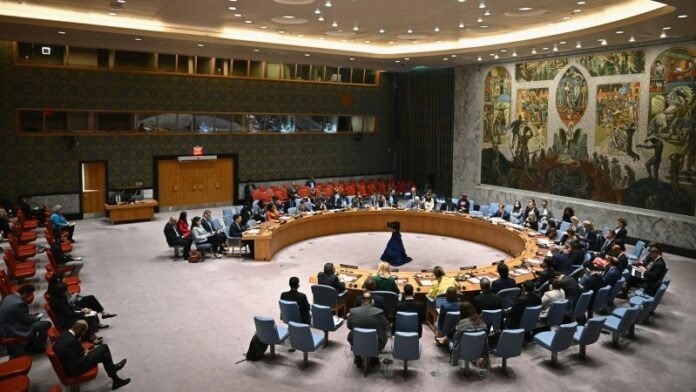
Global leaders and international organizations have begun responding to the escalating tensions between the United States and Iran, as recent developments—including warnings, deadlines, and military actions—raise concerns about broader regional instability. Governments across Europe, Asia, and the Middle East have issued statements urging restraint and calling for renewed diplomatic engagement.
Several nations have emphasized the importance of maintaining open communication channels to prevent further escalation. Diplomatic efforts are reportedly underway behind the scenes, with multiple countries attempting to mediate and reduce tensions. International bodies have also expressed concern about the potential humanitarian and economic consequences of a prolonged conflict.
The response from global leaders reflects the widespread impact of the situation. While the conflict is centered in the Middle East, its implications extend far beyond the region, affecting global trade, energy markets, and geopolitical stability. Leaders are particularly focused on preventing disruptions to critical infrastructure and ensuring that the situation does not escalate into a larger conflict involving multiple nations.
At the same time, some countries are taking precautionary measures, including reviewing security protocols and assessing potential risks to their citizens and economic interests. The coordinated response highlights the interconnected nature of modern geopolitics, where regional conflicts can quickly become global concerns.
Why It Matters
The involvement of global leaders underscores the significance of the situation. When multiple countries respond simultaneously, it signals that the issue has moved beyond a bilateral conflict and is now a matter of international importance.
Diplomatic intervention can play a crucial role in preventing escalation. By encouraging dialogue and offering mediation, global leaders can help create pathways toward resolution. However, the effectiveness of these efforts depends on the willingness of the involved parties to engage constructively.
From an economic perspective, the situation has already begun to influence global markets. Energy prices, trade routes, and investor confidence are all affected by geopolitical uncertainty. The response from world leaders is therefore not only about security but also about protecting economic stability.
Political and Geopolitical Impact
The reactions from global leaders add a new dimension to the geopolitical landscape. Countries must balance their relationships with both the United States and Iran while also considering their own strategic interests.
For allies of the United States, the situation presents both a challenge and an opportunity. Supporting efforts to maintain stability may strengthen alliances, but it also requires careful navigation to avoid unintended involvement in the conflict.
Neutral countries and international organizations are likely to play a key role in mediation efforts. Their ability to facilitate dialogue could influence the direction of the situation and potentially prevent further escalation.
The response also highlights the role of global governance structures in managing conflicts. Organizations that focus on diplomacy and cooperation are being tested in their ability to address complex and rapidly evolving challenges.
Implications
If diplomatic efforts succeed, the situation could stabilize, reducing the risk of further escalation and restoring confidence in global markets. A coordinated international response may help create the conditions necessary for dialogue and compromise.
However, if tensions continue to rise despite these efforts, the risk of a broader conflict increases. This could lead to significant economic disruption, humanitarian challenges, and long-term geopolitical shifts.
In the long term, the situation may influence how global conflicts are managed, highlighting the importance of multilateral cooperation and proactive diplomacy. It also reinforces the idea that in an interconnected world, no conflict remains isolated for long.
Ultimately, the response from global leaders reflects a shared recognition of the stakes involved and the need for collective action to maintain stability.