Story Highlights
- At least 1.5 million Americans dropped ACA marketplace coverage in 2026, with estimates projecting as many as 5 million ultimately uninsured
- Average monthly premiums more than doubled for the typical ACA enrollee after enhanced subsidies expired at year-end 2025
- The One Big Beautiful Bill Act separately cut nearly $1 trillion from Medicaid, projected to cost 10 million or more Americans coverage over the next decade
What Happened
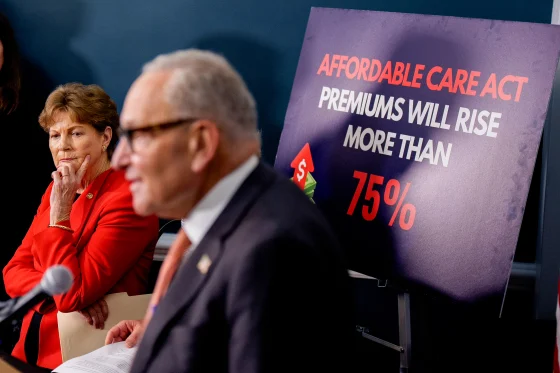
Enhanced subsidies that helped millions of people afford health insurance on the Affordable Care Act marketplace expired at the end of 2025, forcing many people to make tough financial choices. The enhanced subsidies, which had been in place since 2021, reduced insurance premiums for about 22 million people in 2025, or more than 90 percent of all ACA enrollees. KFF, a nonpartisan health policy research group, estimates the lapse caused premiums to more than double for the average recipient in 2026.
Early data from the Centers for Medicare and Medicaid Services suggests at least 1.5 million people dropped out of the ACA marketplace in 2026, after years of enrollment growth. The Urban Institute estimates the final tally will approach 5 million people who drop ACA coverage and go uninsured.
Researchers found enrollment could fall from 22.3 million in 2025 to 17.5 million in 2026, a drop of nearly 5 million people. Average monthly premium payments rose from $113 to $178, marking a 58 percent increase on average. Deductibles surged by 37 percent, rising about $1,027 per person, to a record-high average of $3,786. There was also a larger shift to lower-quality plans, with more consumers moving to high-deductible bronze plans.
About 1 in 10 people, or 9 percent, who were enrolled in an ACA marketplace health plan in 2025 are now uninsured following the lapse of enhanced subsidies that reduced their monthly premiums, according to a new survey by KFF.
Congress failed to pass any extension or replacement of the enhanced tax credits before they expired, despite months of bipartisan negotiation. House Minority Leader Hakeem Jeffries declared that Republicans did not care about the outcome. The White House, for its part, denied that the situation constituted a healthcare crisis.
Why It Matters
The confluence of subsidy expiration and Medicaid cuts has created what health policy analysts are calling the most significant rollback of health insurance coverage by federal policy in American history. The human consequences are not abstract. They play out in deferred medical appointments, unpaid hospital bills, and families choosing between insurance and groceries.
Policies in the Big Beautiful Bill, including cuts to Medicaid, and the expiration of enhanced premium tax credits will lead about 15 million people to lose health insurance, according to CBO estimates. That is not far outside the scope of what some of the repeal-and-replace plans from 2017 would have done, according to KFF’s director of the ACA program.
The One Big Beautiful Bill Act, signed into law on July 4, 2025, includes significant funding cuts and policy changes to Medicaid, Medicare, and Health Insurance Marketplaces. The law imposes new requirements on certain Medicaid enrollees, including for low-income adults, by requiring states to add community engagement requirements to their state Medicaid plans.
The political stakes are high. Political pundits have said the financial fallout could sway the outcome of the midterm elections in November. Democrats in Congress have pushed to extend the enhanced subsidies. Republicans who voted against extension now face constituents — many in Trump-voting states — who are directly experiencing premium spikes or loss of coverage.
Economic and Global Context
The healthcare coverage contraction carries significant macroeconomic consequences. When individuals lose insurance or shift to plans with very high deductibles, they tend to delay care, leading to more expensive emergency interventions down the line. Rural hospitals, which operate on thin margins and rely heavily on Medicaid reimbursements, face particular strain.
Approximately 72 million Americans are currently enrolled in Medicaid, about one-fifth of the total US population. Medicaid is the primary payer for the majority of nursing home residents and pays for around 40 percent of all births. Cuts to Medicaid therefore ripple through maternity wards, long-term care facilities, and disability services, affecting populations far beyond the working-age adults most commonly associated with the program.
Total enrollment in ACA marketplace health plans is expected to fall to 12.5 million by 2028, according to the Congressional Budget Office. That would be about half of last year’s enrollment and represent a near-erasure of all gains made since enhanced subsidies took effect in 2021. The economic loss embedded in that contraction — in terms of productivity, healthcare spending, and bankruptcy filings — will be substantial.
Implications
The November 2026 midterms represent the first major electoral test of the healthcare consequences of Trump’s second-term domestic agenda. Polling consistently shows health coverage to be among the top issues for American voters, and the premium spikes are large enough and visible enough to penetrate even low-information environments.
Republicans may face a political backlash at the polls if the subsidies are not restored. Most ACA enrollment growth has occurred in states that voted for President Donald Trump. That geographic reality transforms what might otherwise be a purely partisan fight into a more complicated intraparty reckoning.
For states, the Medicaid changes impose enormous fiscal pressure. Governors of both parties are grappling with how to absorb federal funding reductions while maintaining services for their most vulnerable constituents. Several states have filed or are considering legal challenges to specific provisions of the OBBBA.
For individual Americans, the immediate question is practical: how to find and afford coverage in a market now characterized by sharply higher premiums and fewer affordable options. The answer, for millions, has already been: they cannot.
Sources