Story Highlights
- Expansion of missile defense systems gains policy support
- Major defense contracts boost U.S. military capabilities
- Focus on advanced technology and national security readiness
What Happened
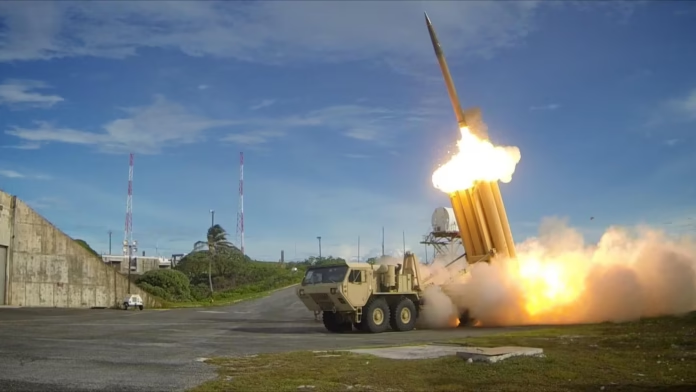
The United States is moving forward with plans to expand its missile defense capabilities, supported by policy direction associated with Donald Trump’s broader national security strategy. The initiative includes awarding major contracts to defense companies to develop and deploy advanced missile defense systems.
These contracts focus on enhancing the country’s ability to detect, track, and intercept potential threats. Investments are being directed toward next-generation technologies, including improved radar systems, interceptor missiles, and integrated defense networks.
Officials emphasize that the expansion is intended to strengthen national security and ensure preparedness against evolving threats. The move aligns with ongoing efforts to modernize military infrastructure and maintain a technological edge.
Defense companies involved in the contracts are expected to play a key role in developing innovative solutions, contributing to both military capability and industrial growth. The initiative also reflects a broader commitment to maintaining a robust defense posture.
Why It Matters
Missile defense is a critical component of national security, providing protection against potential threats and enhancing deterrence capabilities. Expanding these systems can improve the United States’ ability to respond to a range of scenarios.
From an economic perspective, defense contracts can have a significant impact on industry, supporting jobs and driving technological innovation. The development of advanced systems often leads to broader applications in other sectors.
The initiative also highlights the importance of staying ahead of technological advancements in defense. As threats evolve, continuous investment is necessary to maintain effectiveness and reliability.
Additionally, the focus on missile defense reflects broader strategic priorities, emphasizing preparedness and resilience in a complex global environment.
Political and Geopolitical Impact
Domestically, increased defense spending and contract awards are likely to influence political discussions around budget priorities and national security strategy. Lawmakers may debate the balance between defense investment and other public needs.
The initiative may also affect regional economies, particularly in areas where defense contractors operate, contributing to job creation and economic activity.
Geopolitically, the expansion of missile defense systems can influence global security dynamics. It may affect how other nations assess their own defense strategies and capabilities.
The move also reinforces the United States’ role in global security, signaling a commitment to maintaining strong defense systems and supporting allied nations.
Implications
If successfully implemented, the expansion of missile defense systems could enhance national security and strengthen deterrence. Advanced capabilities may provide greater protection and improve response effectiveness.
However, the initiative may also contribute to increased competition in defense technologies, as other nations respond with their own advancements.
In the long term, the development highlights the importance of continuous innovation in defense. Sustained investment and collaboration between government and industry will be essential to maintaining strategic advantages.
Sources
“US awards major defense contracts as missile defense expansion gains momentum”