Story Highlights
- Trump announced that TrumpRx.gov will begin featuring generic medicines, including widely used drugs such as cholesterol treatment atorvastatin and diabetes drug metformin, with more than 600 generics available through the website.
- Billionaire entrepreneur Mark Cuban appeared alongside Trump during the announcement, with Cuban’s Cost Plus Drugs platform joining the initiative along with Amazon Pharmacy and GoodRx.
- Healthcare analysts and critics questioned whether TrumpRx truly offers the lowest prices available, with earlier reporting finding that many listed drugs already had cheaper generic alternatives elsewhere.
What Happened
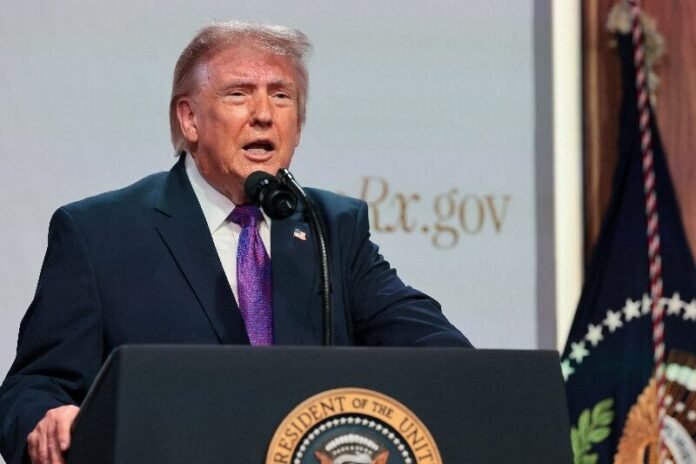
President Donald Trump said on Monday that TrumpRx.gov, a government-backed website that lists discounted prescription drugs, will begin featuring generic medicines, including widely used drugs such as the cholesterol treatment atorvastatin and the diabetes drug metformin, as part of an effort by the administration to expand access to lower-cost medicines.
TrumpRx, launched in January, is part of Trump’s most-favored-nation pricing deals with drugmakers aimed at lowering prescription drug costs to levels seen in other developed nations. The expansion marks the site’s most significant update since its debut, transforming it from a platform primarily featuring brand-name specialty drugs into one that includes the kind of generic medications millions of Americans take daily.
Mark Cuban, the billionaire entrepreneur, appeared alongside Trump during the announcement. Cuban’s Cost Plus Drugs platform joined the initiative along with Amazon Pharmacy and GoodRx. The presence of high-profile private sector names was clearly designed to reinforce the administration’s message that this is a market-driven, bipartisan solution rather than a government program. Cuban said reducing prescription drug costs should be treated as a bipartisan issue.
The White House fact sheet framed the expansion as part of a broader commitment to ensure American patients no longer pay high prices to subsidize low prices in the rest of the world. It noted that Trump signed an executive order on May 12, 2025, directing the administration to take actions to bring American drug prices in line with those paid by similar nations.
The White House event was held in the South Court Auditorium and served as the administration’s formal reintroduction to domestic policy messaging after weeks dominated by foreign affairs, including a summit with Chinese President Xi Jinping and ongoing military operations in Iran.
Why It Matters
Prescription drug affordability ranks consistently among the top concerns of American voters regardless of party affiliation. The United States pays dramatically more for prescription drugs than comparable wealthy nations — a gap that has persisted across multiple administrations without fundamental structural reform. The TrumpRx initiative, even with its limitations, represents a visible executive effort to address this gap directly.
The expansion comes ahead of the fast-approaching 2026 midterm elections, where Democrats hope to regain at least one chamber of Congress and fiercely push back against the president’s policy agenda, aiming to capitalize on Trump’s dwindling approval ratings which have sunk to new lows, with nearly two-thirds of voters expressing negative views about the economy.
The political calculus here is straightforward. Generic drugs represent the majority of prescriptions filled in the United States. Including 600 generics in the platform meaningfully broadens the program’s reach to include everyday Americans managing chronic conditions like diabetes, hypertension, and high cholesterol — the very voters in suburban and rural districts that will determine which party controls Congress in November.
However, the program faces substantive skepticism. Healthcare analysts noted that purchases made through TrumpRx may not count toward insurance deductibles or out-of-pocket maximums, limiting the site’s practical benefit for most insured Americans. This is a significant caveat that the administration did not emphasize during Monday’s announcement.
Economic and Global Context
The TrumpRx expansion is part of a wider most-favored-nation pricing framework that the administration has pursued through executive action rather than legislation. On July 31, 2025, Trump sent letters to 17 leading pharmaceutical manufacturers outlining the steps they must take to bring down the prices of prescription drugs in the United States to match the lowest price offered in other developed nations. Some companies have negotiated agreements; others have challenged the administration’s legal authority to impose the pricing structure.
The involvement of Amazon Pharmacy is particularly significant from a market structure standpoint. Amazon’s logistics infrastructure and existing pharmacy customer base could dramatically accelerate adoption of the platform if integrated effectively. For the pharmaceutical pricing ecosystem more broadly, a major retail disruptor entering the direct-pricing space could create downward pressure independent of government mandates.
Global pharmaceutical companies have been monitoring the most-favored-nation pricing push closely. European and Canadian governments, whose pricing frameworks are being used as benchmarks, face their own pressures if American purchasers shift to direct-pay models that bypass traditional insurance intermediaries. The downstream effects on drug development investment and pharmaceutical company revenue remain contested among health economists.
Implications
For insured Americans, the practical benefit of TrumpRx remains limited unless the administration takes additional steps to allow platform purchases to count toward insurance cost-sharing. Without that change, the site primarily benefits the uninsured or underinsured — a real constituency, but not the majority of American prescription drug users.
For Republicans heading into November, the expansion gives candidates a tangible policy achievement to point to on the trail. The administration’s pivot toward domestic affordability messaging suggests internal recognition that foreign policy dominance of the news cycle has not translated into electoral advantages, particularly among cost-conscious independent voters.
For the pharmaceutical industry, the TrumpRx framework creates ongoing uncertainty about pricing structures and margins. Companies that have struck deals with the administration gain market visibility through the platform, while those that have resisted face continuing political pressure and the prospect of further executive action on pricing authority.
Sources
“US Drugs Site TrumpRx to List 600 Generics as Trump Targets Lower Prices”