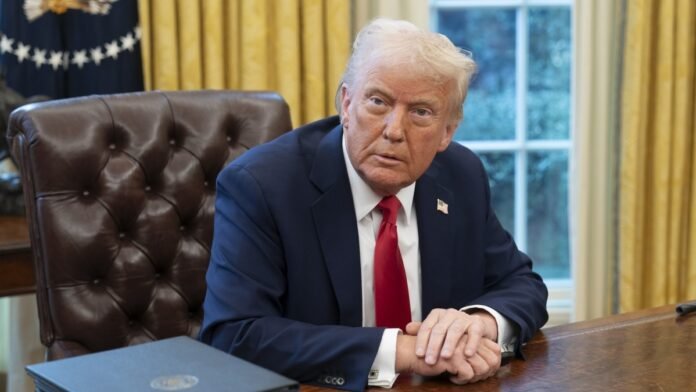
Story Highlights
- U.S. emphasizes securing global energy supply chains
- Focus on stabilizing oil routes amid ongoing tensions
- Strategy aims to reduce volatility in energy markets
What Happened
The United States is maintaining pressure on global energy stability measures as part of a broader strategy aligned with President Trump’s policy direction. The focus is on ensuring secure and uninterrupted flow of oil through key international routes.
Officials indicate that efforts include monitoring critical transit points, coordinating with allies, and reinforcing measures that protect energy infrastructure. These actions are designed to prevent disruptions that could impact global supply.
The approach comes amid continued geopolitical tensions that have raised concerns about the reliability of energy markets. By prioritizing stability, the United States aims to manage risks and maintain consistent supply conditions.
Market participants are closely watching developments, as energy security remains a central factor influencing economic conditions worldwide.
Why It Matters
Energy stability is essential for economic growth, as oil and related resources play a key role in transportation, manufacturing, and daily consumption. Disruptions can lead to price increases and supply challenges.
For consumers, stable energy markets help maintain predictable fuel costs. For businesses, consistent supply supports operations and planning.
The development also highlights the interconnected nature of global energy systems. Changes in one region can have widespread effects.
Additionally, maintaining stability in energy markets can help reduce inflationary pressures and support broader economic conditions.
Political and Geopolitical Impact
Domestically, energy policy is a key issue in political discussions, influencing debates about production, regulation, and economic strategy. Efforts to stabilize markets may shape policy priorities.
The issue also affects public perception, as fuel prices are a visible indicator of economic conditions.
Geopolitically, securing energy routes involves coordination with multiple countries, impacting international relationships and strategic positioning.
The situation reflects broader global efforts to manage energy resources and ensure supply reliability.
Implications
If stability measures are effective, they could help reduce volatility in energy markets and support economic confidence. This would benefit both consumers and businesses.
However, ongoing tensions may continue to pose risks, requiring sustained monitoring and coordination.
In the long term, the focus on energy stability highlights the importance of strategic planning and international cooperation. Ensuring reliable supply will remain a key priority.
Sources
“U.S. maintains pressure on global energy stability amid ongoing tensions”