Story Highlights
- Trump issues 48-hour deadline for reopening
- Focus on restoring global energy flow stability
- Signals firm stance on maritime security
What Happened
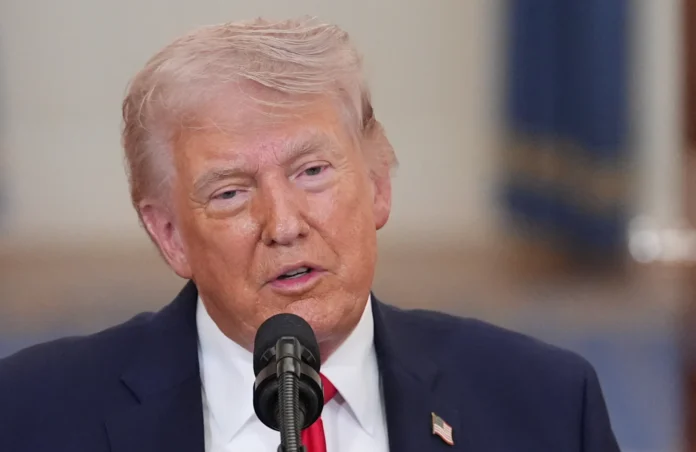
Donald Trump issued a clear 48-hour deadline calling for the reopening of the Strait of Hormuz, one of the most critical global oil transit routes. The statement emphasized the urgency of restoring normal shipping operations, highlighting the importance of uninterrupted energy flow for the global economy.
He positioned the move as a necessary step to stabilize international trade conditions, noting that disruptions in the Strait directly affect supply chains and pricing across multiple sectors. The deadline reflects a direct and time-bound approach aimed at accelerating resolution.
Global stakeholders, including policymakers and financial markets, are closely observing the situation. Developments in this region carry immediate economic implications, making the response to this deadline particularly significant.
Why It Matters
The Strait of Hormuz is responsible for transporting a substantial portion of the world’s oil supply. Any disruption in this route can lead to increased energy prices, supply uncertainty, and broader economic impact.
By setting a defined timeline, the approach introduces clarity and urgency. This can influence diplomatic engagement while also shaping market expectations, as stakeholders respond to clear signals of intent.
For businesses and investors, stability in energy supply routes is essential for planning and cost management. A reopening of the Strait would support predictable pricing and reduce volatility across global markets.
Political and Geopolitical Implications
The decision reflects a strategy centered on decisive communication and measurable outcomes. Establishing a firm deadline signals a commitment to rapid resolution and reinforces the importance of maintaining critical global infrastructure.
Geopolitically, the move may encourage engagement among regional actors to avoid escalation and restore stability. It also highlights the role of leadership in shaping responses to international challenges.
Domestically, the messaging supports broader discussions around energy security, strategic priorities, and global economic stability. Clear directives often influence both policy direction and public perception.
The coming period will be critical in determining how stakeholders respond and how the situation evolves across diplomatic and economic fronts.
Implications
If the deadline leads to a reopening of the Strait, it could significantly reduce geopolitical tension, stabilize energy markets, and strengthen global economic confidence. The broader outcome would reinforce the importance of secure and reliable trade routes.