Story Highlights
- Trump issues 48-hour deadline to reopen Strait
- Emphasis on restoring global shipping stability
- Signals decisive stance on energy security
What Happened
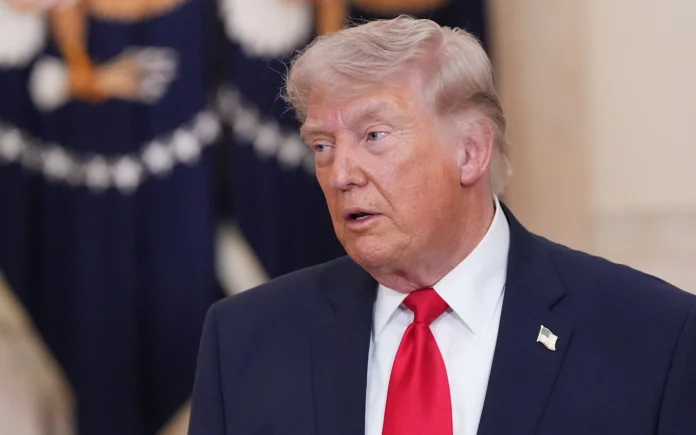
Donald Trump issued a firm deadline to Iran, calling for the reopening of the Strait of Hormuz within 48 hours. The warning was presented as part of a broader effort to ensure stability in one of the world’s most critical maritime routes. The Strait serves as a key channel for global oil transportation, and any disruption has immediate international consequences.
In his remarks, Trump emphasized the importance of maintaining uninterrupted access to the route, highlighting its role in supporting global trade and energy supply. The deadline reflects a clear position aimed at accelerating resolution and restoring normal operations in the region.
The announcement has drawn attention from global markets and policymakers, as developments in the Strait of Hormuz are closely linked to economic stability. Observers are monitoring responses from regional stakeholders and potential diplomatic developments following the statement.
Why It Matters
The Strait of Hormuz is a vital artery for global energy supply, handling a significant share of the world’s oil shipments. Any disruption can lead to increased prices, supply uncertainty, and broader economic impact.
By setting a clear deadline, the approach introduces urgency into the situation. This can influence both diplomatic engagement and market sentiment, as stakeholders respond to defined timelines and expectations.
For businesses and investors, stability in energy routes is essential for planning and cost management. Clear signals aimed at restoring normal operations can help reduce uncertainty and support economic confidence.
Political and Geopolitical Implications
The move reflects a strategy focused on decisive communication and clear expectations. Establishing a deadline signals a commitment to rapid resolution and highlights the importance of maintaining global trade routes.
Geopolitically, the development may influence how regional actors respond, particularly in terms of cooperation and negotiation. It could encourage increased diplomatic engagement aimed at avoiding escalation and ensuring stability.
Domestically, the messaging aligns with broader discussions around energy security, international leadership, and strategic decision-making. Clear and direct communication often plays a role in shaping public and policy perspectives.
The coming days will be critical in determining how the situation evolves. Responses from Iran and other stakeholders will influence the direction of both diplomatic and economic outcomes.
Implications
If the deadline leads to a reopening of the Strait, it could restore stability in global energy markets and reduce geopolitical tension. The broader impact would support economic confidence and reinforce the importance of secure trade routes.