Story Highlights
- U.S. focuses on stabilizing key global oil routes
- Strategy aims to ease fuel prices and market volatility
- Energy security linked to broader economic stability
What Happened
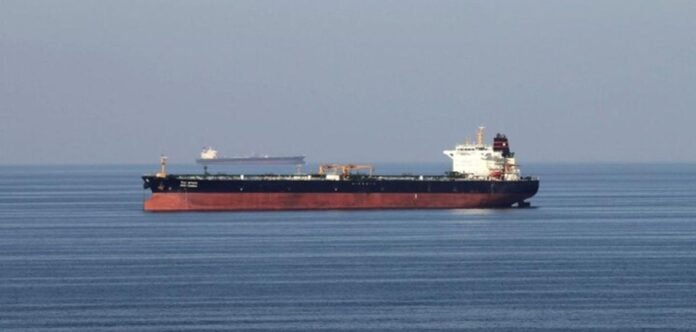
The United States is emphasizing the importance of maintaining stability in critical global oil transit routes as part of a broader strategy tied to Donald Trump’s policy direction. Efforts are focused on ensuring the smooth flow of energy supplies through key chokepoints, which are essential to global oil distribution.
Officials have indicated that stabilizing these routes is a priority, particularly as disruptions can quickly impact supply chains and fuel prices. By reinforcing security and maintaining open transit pathways, the strategy aims to reduce uncertainty in energy markets.
The approach combines diplomatic engagement with strategic preparedness, ensuring that the United States and its partners can respond effectively to potential disruptions. Coordination with allies and stakeholders plays a key role in maintaining stability and confidence in global energy systems.
Market participants are closely monitoring these developments, as energy prices remain sensitive to changes in supply conditions. The focus on route stability is seen as a proactive measure to support more predictable market behavior.
Why It Matters
Energy supply stability is critical to both economic performance and daily life. Disruptions in key transit routes can lead to sharp increases in fuel prices, affecting transportation, manufacturing, and overall cost of living.
By prioritizing stability, policymakers aim to reduce volatility and support more consistent pricing in energy markets. This can help businesses plan more effectively and reduce financial pressure on consumers.
The strategy also highlights the interconnected nature of global energy systems. Events in one region can have far-reaching impacts, making stability a shared international concern.
Additionally, maintaining secure energy routes is essential for long-term economic planning, as reliable access to resources supports sustained growth and development.
Political and Geopolitical Impact
Domestically, energy prices are a major factor in political discussions, influencing debates around policy decisions and economic management. Efforts to stabilize supply routes may be viewed as a step toward addressing these concerns.
The issue also intersects with broader energy policy discussions, including domestic production, regulation, and investment in alternative energy sources.
Geopolitically, securing key oil routes is a strategic priority that involves coordination with multiple countries. Stability in these areas can strengthen alliances and support international cooperation.
At the same time, control and security of energy routes remain central to global power dynamics, influencing relationships between major economies and energy-producing regions.
Implications
If successful, efforts to stabilize oil transit routes could lead to more predictable energy prices and reduced market volatility. This would benefit both consumers and businesses by creating a more stable economic environment.
However, the situation remains dependent on broader geopolitical conditions. Any escalation or disruption could quickly affect supply and reverse progress.
In the long term, the focus on energy route stability underscores the importance of proactive planning and international cooperation. Ensuring reliable access to energy will remain a key factor in maintaining economic and geopolitical stability.
Sources
“US focuses on securing key oil routes amid global energy concerns”