Story Highlights
- Trump signals readiness for broader military action
- Pressure increases on Iran to comply with U.S. demands
- Strategic escalation aims to force diplomatic outcomes
What Happened
President Donald Trump has indicated that the United States is prepared to expand military action if Iran refuses to comply with ongoing demands related to regional stability and maritime security. The statement comes amid escalating tensions following recent warnings, deadlines, and targeted actions in the region.
According to administration officials, the message is part of a calculated strategy to increase pressure while maintaining control over the pace of escalation. Trump emphasized that while the United States prefers a resolution through compliance, it is fully prepared to take additional steps if necessary. The language reflects a shift from conditional warnings to a more assertive stance that leaves little room for ambiguity.
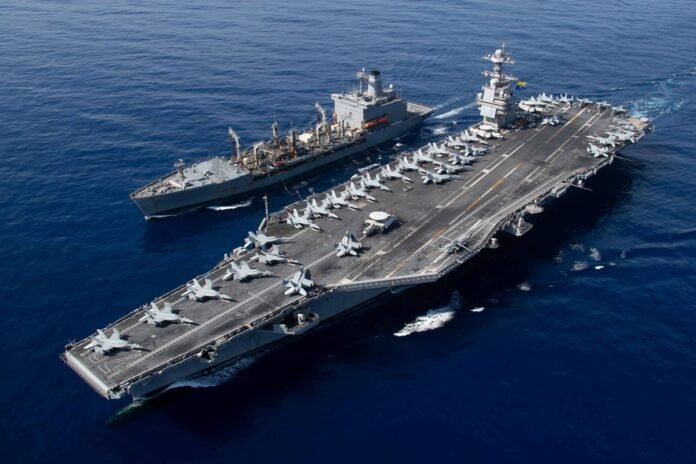
Military assets in the region remain on heightened alert, with additional deployments being considered to strengthen operational readiness. Defense officials have noted that contingency plans are in place, allowing for rapid escalation if the situation demands it. This level of preparedness is intended to reinforce the credibility of the administration’s position.
Diplomatic channels are still active, but the tone suggests that time for negotiation may be limited. By signaling potential expansion of military action, the administration is attempting to accelerate decision-making and push Iran toward compliance without prolonged dialogue.
Why It Matters
The possibility of expanded military action introduces a new level of risk into an already volatile situation. For global markets, this signals uncertainty, particularly in energy and defense sectors. Even the suggestion of escalation can influence investor behavior, leading to increased volatility.
From a strategic perspective, the move is designed to strengthen deterrence. By clearly outlining potential consequences, the administration aims to prevent further escalation by making the cost of non-compliance clear. However, this approach also carries the risk of provoking a strong response.
The situation highlights the delicate balance between pressure and diplomacy. While increased pressure can lead to faster outcomes, it can also reduce flexibility, making it more difficult to de-escalate if tensions rise further.
Political and Geopolitical Impact
Domestically, the statement reinforces Trump’s image as a decisive leader willing to take strong action in defense of U.S. interests. It aligns with a broader narrative of prioritizing national security and maintaining global influence.
Internationally, the implications are more complex. Allies may support the objective of maintaining stability but could express concern about the potential for escalation. The statement also places additional pressure on Iran, forcing a critical decision between compliance and confrontation.
The broader geopolitical landscape is affected as well. Other regional actors are likely to reassess their positions, while global powers monitor the situation closely to determine how it may impact their own interests.
Implications
If the strategy succeeds, it could lead to a swift resolution, with Iran choosing compliance to avoid further escalation. This outcome would likely stabilize markets and reduce geopolitical risk in the short term.
However, if Iran resists, the situation could escalate quickly, leading to expanded military engagement. Such a development would have significant consequences, not only for the region but also for global economic and political stability.
In the long term, this moment may shape how similar conflicts are approached in the future. It underscores the role of strategic signaling in international relations and the importance of balancing strength with restraint.