Story Highlights
- Trump indicates objectives in Iran largely achieved
- Signals transition toward conflict resolution
- Focus shifts to stability and diplomatic outcomes
What Happened
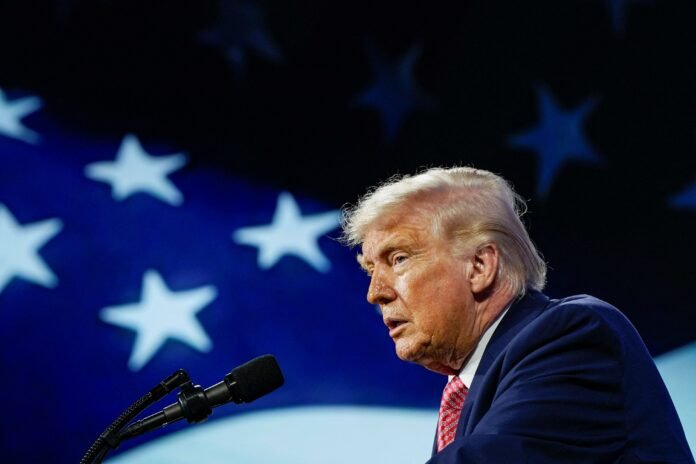
Donald Trump stated that U.S. objectives in the ongoing Iran conflict have largely been achieved, signaling that the situation may be approaching a resolution phase. In his recent remarks, he emphasized that strategic goals have been met through a combination of operational effectiveness and sustained pressure.
He highlighted that current developments reflect progress toward stabilizing the region, with a gradual shift from active engagement to potential diplomatic pathways. The messaging suggests that efforts are now focused on consolidating gains and ensuring a structured conclusion.
The statement comes amid continued global attention on the Middle East, where developments influence energy markets, international relations, and economic outlooks. While specific timelines remain uncertain, the overall direction indicates movement toward de-escalation.
Why It Matters
Signals of conflict resolution are closely monitored by global markets and policymakers. A reduction in geopolitical tension can lead to improved investor confidence, more stable energy prices, and a more predictable economic environment.
The situation also reflects the importance of achieving defined objectives in international engagements. Progress toward resolution can support long-term planning and reduce the risks associated with prolonged instability.
For businesses and governments, stability in the region is critical for maintaining consistent trade flows and managing economic expectations. Developments that point toward de-escalation can have wide-reaching positive effects.
Political and Geopolitical Implications
The remarks reinforce a strategic approach centered on achieving clear outcomes followed by a transition toward stability. This model emphasizes efficiency and controlled disengagement in international affairs.
Geopolitically, a move toward resolution could encourage renewed diplomatic engagement among regional and global actors. Cooperation aimed at maintaining stability may become a key focus in the next phase.
Domestically, the messaging contributes to discussions around foreign policy effectiveness, leadership, and strategic decision-making. Presenting the situation as nearing completion supports narratives of clarity and direction.
At the same time, the situation remains dynamic. The realization of these expectations will depend on diplomatic developments, regional responses, and ongoing coordination among stakeholders.
Implications
If the situation continues to move toward resolution, it could reduce geopolitical risk, support stable energy markets, and encourage broader diplomatic cooperation. The overall impact would extend across economic and strategic domains.