Story Highlights
- Strait of Hormuz reopens amid reduced tensions
- Global oil flow stabilizes following ceasefire
- Strategic de-escalation eases supply chain concerns
What Happened
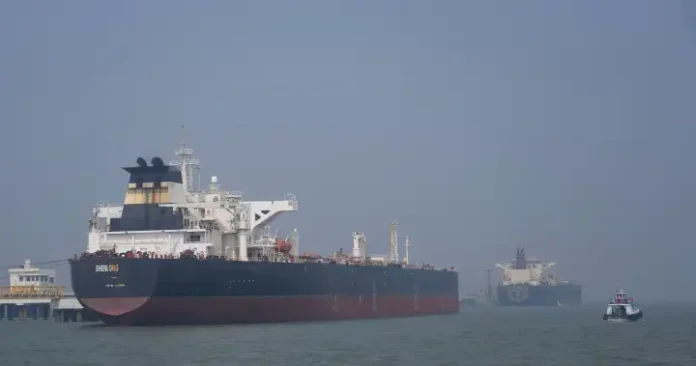
The temporary ceasefire secured under former President Donald Trump’s leadership has led to the reopening and stabilization of the Strait of Hormuz, one of the most critical oil transit routes in the world. The development comes after days of heightened tension that had raised serious concerns about potential disruptions to global energy supplies. With the ceasefire in place, the immediate threat to shipping lanes has eased, allowing oil tankers to resume movement with reduced risk.
The Strait of Hormuz serves as a vital link between major oil-producing regions and global markets, handling a significant share of the world’s crude oil shipments. Any instability in this narrow passage can quickly create ripple effects across the global economy. Prior to the ceasefire, fears of restricted access or conflict-related disruptions had driven uncertainty in energy markets. The agreement has now helped restore confidence in the continuity of supply.
Shipping activity in the region has begun to normalize, with reports indicating a gradual return to routine operations. While heightened monitoring and security measures remain in place, the reduction in immediate threats has allowed companies to proceed with planned shipments. This has contributed to a more stable outlook for energy logistics and trade flows.
The reopening of the route also reflects the broader impact of the ceasefire beyond immediate diplomatic considerations. It demonstrates how strategic decisions at the political level can influence operational conditions in critical sectors such as energy and transportation. The situation continues to be monitored closely, but the initial response has been one of cautious stabilization.
Why It Matters
The restoration of stability in the Strait of Hormuz is significant because of its central role in global energy supply. A large portion of the world’s oil passes through this route, making it a key نقطة in international trade. Any disruption can lead to supply shortages, price increases, and broader economic challenges.
By reducing the risk to this critical passage, the ceasefire has helped stabilize one of the most important components of the global economy. Energy markets rely on predictability, and the ability to maintain consistent supply routes is essential for ensuring that stability. The reopening of the strait provides reassurance to both producers and consumers.
The development also highlights the broader relationship between geopolitical decisions and economic outcomes. Actions taken to reduce tensions can have immediate and tangible effects on global systems. In this case, the easing of tensions has directly contributed to improved conditions in energy markets and supply chains.
Additionally, the situation underscores the importance of strategic locations in global trade. Control and access to key routes such as the Strait of Hormuz can influence not only regional dynamics but also international economic conditions. Ensuring the security of these routes is a priority for many countries.
Political and Geopolitical Impact
The reopening of the Strait of Hormuz carries important geopolitical implications. It reinforces the role of diplomatic efforts in maintaining stability in critical regions. By reducing tensions, the ceasefire has created conditions that allow essential economic activities to continue without disruption.
For the United States, the development strengthens its position as a key actor in global affairs. The ability to influence outcomes in a region of such strategic importance enhances its role in international diplomacy. This may also contribute to increased engagement with allies and partners who rely on stable energy supplies.
In the Middle East, the easing of tensions may encourage further dialogue among regional players. The restoration of normal shipping activity provides an opportunity to focus on broader issues, including security and cooperation. While challenges remain, the current situation offers a potential pathway for continued engagement.
At the same time, the situation highlights the ongoing need for vigilance. The stability achieved through the ceasefire is temporary, and maintaining it will require sustained effort. Countries and organizations involved in the region are likely to continue monitoring developments closely to ensure that progress is not reversed.
Implications
If the stability in the Strait of Hormuz is maintained, it could support continued recovery in global energy markets and contribute to broader economic stability. Reliable access to this route is essential for maintaining supply chains and preventing price volatility.
However, the temporary nature of the ceasefire means that risks have not been fully eliminated. Any renewed tensions could quickly impact shipping activity and disrupt the progress made. This underscores the importance of building on the current momentum and working toward more permanent solutions.
In the long term, the situation may encourage increased focus on securing alternative routes and diversifying supply chains. While the Strait of Hormuz remains critical, reducing dependence on a single نقطة can help improve resilience. The current developments highlight the need for proactive planning and strategic investment.