Story Highlights
- Oil markets stabilize following ceasefire announcement
- Volatility eases after peak tension period
- Energy sector responds to reduced geopolitical risk
What Happened
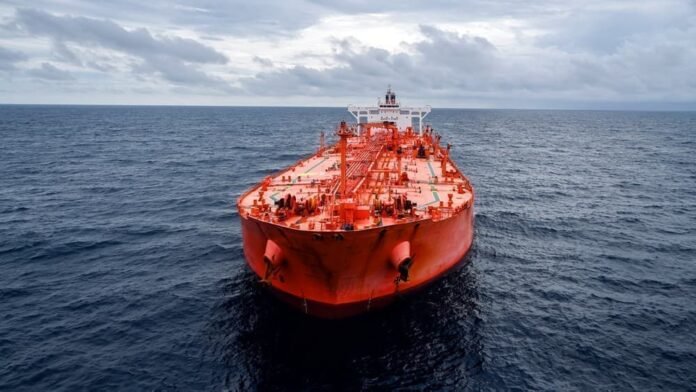
Following the ceasefire agreement between the United States and Iran, global oil markets showed signs of temporary stabilization after a period of sharp volatility. Prior to the agreement, rising tensions had pushed oil prices upward as traders anticipated potential disruptions to supply, particularly through the Strait of Hormuz.
With the ceasefire in place, immediate concerns over supply interruptions began to ease. This shift in sentiment led to a pullback from peak price levels, bringing a degree of balance back to energy markets. While prices did not fully return to pre-tension levels, the reduction in volatility signaled improved confidence among market participants.
Energy analysts noted that the stabilization was driven largely by changing expectations rather than immediate changes in supply. The anticipation of conflict had created a risk premium in prices, which began to unwind once the ceasefire reduced the likelihood of escalation. This dynamic highlights how closely oil markets are tied to geopolitical developments.
The impact extended beyond oil prices themselves. Financial markets also responded positively, with improved sentiment across sectors sensitive to energy costs. The easing of uncertainty allowed investors to shift focus back to economic fundamentals, contributing to a more stable overall outlook.
Why It Matters
The stabilization of oil markets is significant because energy prices play a central role in the global economy. Changes in oil prices can influence inflation, production costs, and consumer spending. By reducing volatility, the ceasefire contributes to a more predictable economic environment.
The situation also underscores the importance of geopolitical stability in maintaining energy security. Regions like the Middle East are critical to global supply, and disruptions can have far-reaching consequences. Even the perception of risk can lead to significant market movements.
Additionally, the development highlights how quickly markets can respond to changes in expectations. Financial and commodity markets are forward-looking, meaning that shifts in perceived risk can lead to immediate adjustments. The ceasefire provided clarity, which helped stabilize pricing.
The event also reflects the interconnected nature of global systems. Political decisions can directly influence economic outcomes, reinforcing the need for coordinated approaches to managing risk and stability.
Political and Geopolitical Impact
Geopolitically, the stabilization of oil markets reinforces the importance of diplomatic efforts in managing global risks. By reducing tensions in a critical region, the ceasefire has contributed to a more stable environment for international trade and energy supply.
For energy-importing countries, the easing of price volatility provides economic relief and greater predictability. This can support planning and reduce pressure on industries that rely heavily on energy.
For energy-exporting nations, the situation presents a balance between stability and revenue considerations. While extreme volatility can be challenging, stable prices can support more consistent economic planning.
The development also highlights the role of the United States in influencing global economic conditions through its involvement in international diplomacy. Actions taken to reduce tensions can have immediate and measurable effects on markets.
Implications
If the current stability continues, it could support broader economic growth by reducing uncertainty and stabilizing energy costs. Businesses and consumers alike may benefit from more predictable conditions.
However, the temporary nature of the ceasefire means that volatility could return if tensions resurface. Markets are likely to remain sensitive to new developments, reacting quickly to any changes in the situation.
In the long term, the event may encourage greater focus on energy diversification and resilience. Reducing dependence on specific regions can help mitigate risks and improve stability. The current developments serve as a reminder of the importance of proactive planning in managing global energy systems.
Sources
“Oil markets stabilize after US-Iran ceasefire reduces tensions”