Story Highlights
- Rising costs slow progress on major infrastructure projects
- Budget pressures impact timelines across multiple states
- Construction sector adjusts to material and labor challenges
What Happened
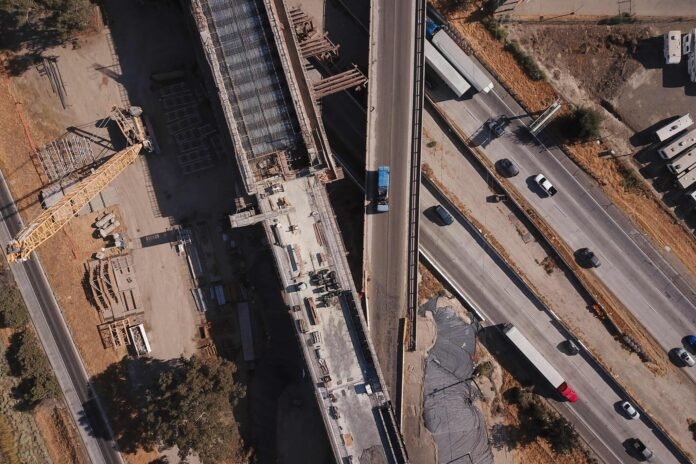
Infrastructure projects across the United States are facing delays as rising costs impact budgets and timelines. Increased prices for materials, labor, and logistics have made it more challenging to complete projects as originally planned.
Officials report that several projects are being reassessed, with some timelines extended to accommodate higher expenses. Contractors are adjusting plans to manage costs while maintaining quality and safety standards.
The delays are affecting a range of projects, including transportation systems, public utilities, and urban development initiatives. While progress continues, the pace has slowed in many areas.
Industry experts note that supply chain disruptions and inflation are key factors contributing to the situation. Efforts are underway to manage these challenges and keep projects moving forward.
Why It Matters
Infrastructure development is essential for economic growth, supporting transportation, business operations, and public services. Delays can impact efficiency and long-term planning.
For businesses, slower infrastructure progress can affect logistics and operational costs. For communities, delays may postpone access to improved services and facilities.
The development also highlights the impact of rising costs on large-scale projects. Managing budgets effectively is critical for success.
Additionally, the situation underscores the importance of stable supply chains and workforce availability in construction.
Political and Geopolitical Impact
Domestically, infrastructure delays may influence policy discussions around funding, budgeting, and project management.
The issue also affects public perception, as infrastructure projects are visible indicators of development and progress.
Geopolitically, while primarily a domestic matter, infrastructure efficiency contributes to national competitiveness in global markets.
The situation reflects broader challenges faced by many countries in managing large-scale development projects.
Implications
If cost pressures continue, delays may persist, affecting economic growth and development plans. Adjustments in funding and strategy may be required.
However, improved supply conditions could help accelerate progress over time.
In the long term, the situation highlights the importance of cost management and planning. Ensuring project efficiency will be key to future success.
Sources
“U.S. infrastructure projects face delays due to rising costs and supply issues”