Story Highlights
-
Martinez Lake, Arizona, reached 110°F on March 19.
-
The reading set the highest March temperature ever recorded in the United States.
-
The broader Southwest heat wave has shattered multiple local records.
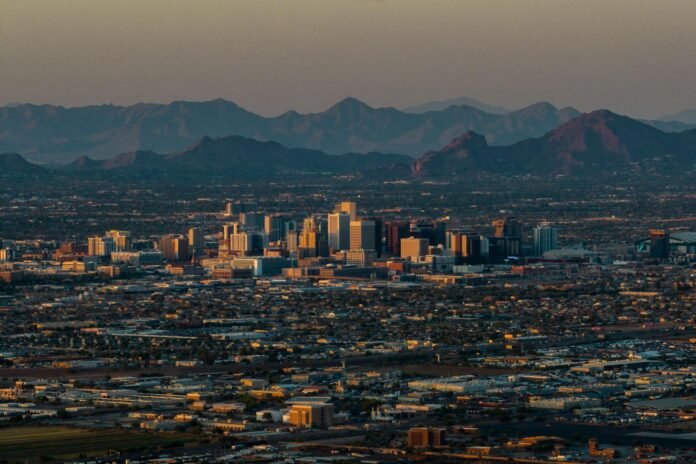
A desert community near Martinez Lake, Arizona, hit 110°F on Thursday, setting the highest March temperature ever recorded in the United States. The Associated Press reported that the new mark surpassed the previous national March record of 108°F set in Texas in 1954, and it came as a wider Southwest heat wave pushed temperatures far above seasonal norms across Arizona, California, and Nevada. Phoenix, Las Vegas, Los Angeles, and other cities also challenged or broke local records as the heat arrived unusually early in the calendar year.
The immediate significance is public safety. Temperatures of this magnitude are dangerous even in places accustomed to heat, especially when they arrive before communities have fully shifted into warm-season routines. AP reported that some hiking trails closed because of the risk, and forecasters warned that conditions were running 20 to 30 degrees above normal. This is not simply a local weather oddity. It is a regional event affecting infrastructure, outdoor activity, and emergency preparedness.
The larger meaning is harder to ignore. The Washington Post tied the event to a powerful heat dome and said more records may fall, while AP and climate analysts described the timing and intensity as part of a broader pattern of extreme weather. My inference is that stories like this are beginning to move climate discussion from abstract future risk into immediate governance questions: city readiness, utility strain, insurance, public-health planning, and land-use resilience. When a national March heat record falls on the last day of winter, it shifts the conversation from anomaly to warning.
Implications
This heat event is likely to be cited well beyond weather coverage because it combines spectacle, timing, and wider policy relevance. It will add pressure on local governments, utilities, and health agencies to prepare for longer and earlier heat seasons. It also gives climate and infrastructure debates a vivid domestic example that is easy for the public to understand.
Sources
-
Arizona community hits 110 degrees F, the highest March temperature recorded in the US
-
An Arizona community just broke the March national temperature record
-
Records shattered as summer heat hits Southwest in March; ‘This is what climate change looks like’
-
Historic March heatwave in US west shatters high-temperature records