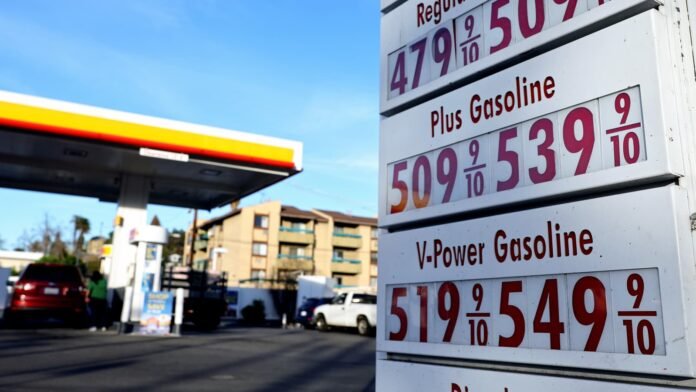
Story Highlights
- U.S. inflation climbs to 3.3% amid rising energy prices
- Fuel and transportation costs contribute significantly
- Price pressures remain a key concern for policymakers
What Happened
The latest economic data shows that U.S. inflation has risen to 3.3%, with energy costs playing a major role in the increase. Higher fuel prices have pushed up transportation and logistics expenses, which in turn are affecting the cost of goods and services across the economy.
Energy-driven inflation has been particularly visible in sectors that rely heavily on transportation, including retail and manufacturing. As businesses face higher operating costs, many are passing these increases on to consumers, contributing to broader price pressures.
At the same time, other components of inflation remain relatively stable, indicating that the recent rise is largely concentrated in energy-related categories. Analysts note that while this type of inflation can be volatile, it still has a significant impact on overall economic conditions.
Policymakers are closely monitoring these trends, as inflation remains a central factor in economic decision-making. The data highlights the ongoing challenge of managing price stability while supporting economic growth.
Why It Matters
Inflation directly affects purchasing power, making it a critical issue for households and businesses. Rising prices can reduce the ability of consumers to spend, which may slow economic activity over time.
For businesses, higher costs can impact profitability and lead to adjustments in pricing strategies. This can create a cycle where increased expenses continue to feed into overall inflation.
The data also plays a key role in shaping monetary policy. Central banks rely on inflation indicators to determine interest rate decisions, which in turn influence borrowing costs and economic activity.
Additionally, energy-driven inflation highlights the importance of stable energy markets. Fluctuations in fuel prices can quickly translate into broader economic effects, making energy a key factor in inflation trends.
Political and Geopolitical Impact
Domestically, rising inflation often becomes a central topic in political discussions, influencing debates around economic policy and cost-of-living measures. Policymakers may face pressure to address price increases and support households.
The issue can also shape public sentiment, as inflation is one of the most visible indicators of economic conditions for consumers.
Geopolitically, energy prices are closely tied to global events, and fluctuations can reflect underlying tensions in key regions. Changes in energy costs can influence trade balances and international economic relationships.
The situation underscores the interconnected nature of global markets, where developments in one sector or region can have widespread effects.
Implications
If energy prices remain elevated, inflation may continue to stay above desired levels, influencing both policy decisions and economic behavior. This could lead to further adjustments in interest rates or other measures.
However, if energy costs stabilize, inflationary pressures may ease, supporting a more balanced economic environment.
In the long term, the data highlights the importance of managing both energy supply and economic policy to maintain price stability. A coordinated approach will be essential to ensuring sustainable growth.
Sources
“US inflation rises to 3.3% as energy costs drive price increases”