Story Highlights
- Majority say Iran war not going well
- Public uneasy but opposes current regime staying in power
- Sentiment reflects complex national security outlook
What Happened
A recent national poll reveals that a majority of Americans believe the ongoing conflict involving Iran is not progressing well, highlighting growing public concern over the trajectory of the situation. At the same time, many respondents indicated they do not support leaving the current Iranian leadership in power, reflecting a nuanced and sometimes conflicting public perspective.
The findings underscore a complex balance in public opinion — dissatisfaction with how the conflict is unfolding, paired with a reluctance to accept the current regime’s continued influence. This dual sentiment suggests that while Americans are cautious about prolonged conflict, they remain attentive to broader geopolitical outcomes.
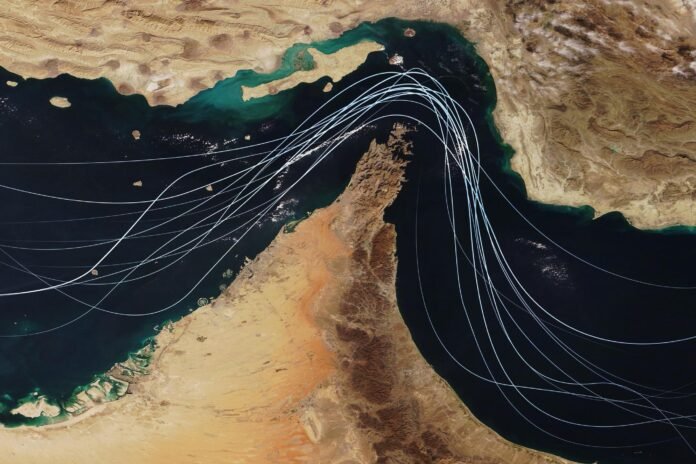
The poll comes at a time when tensions in the Middle East continue to influence global markets, security strategies, and diplomatic efforts. Energy prices, shipping routes, and regional alliances all remain closely tied to developments in the conflict.
Why It Matters
Public opinion plays a significant role in shaping policy direction, particularly in matters of foreign engagement. Leaders often weigh domestic sentiment when evaluating military strategy, diplomatic initiatives, and long-term commitments abroad.
The mixed response captured in the poll highlights the challenge policymakers face: balancing public concern about ongoing conflict with strategic objectives related to stability and security. It also reflects broader uncertainty about how the situation should evolve in the coming months.
Additionally, the economic implications of the conflict — particularly in energy markets — add another layer of importance. Rising or volatile oil prices can directly impact consumers and influence broader economic conditions.
Implications
The data suggests that future policy decisions may need to address both strategic goals and public expectations more carefully. Clear communication, measurable progress, and defined outcomes could become increasingly important as leaders navigate the situation. As the conflict evolves, shifts in public sentiment may continue to influence both domestic and international approaches to the issue.