Story Highlights
- Supreme Court reviews conversion therapy restrictions
- Case centers on free speech and state regulation
- Decision could impact laws across multiple states
What Happened
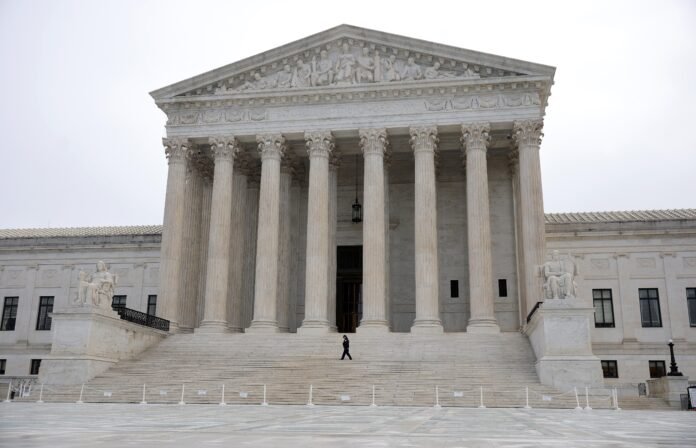
The United States Supreme Court is currently examining a case that challenges the legality of state-imposed restrictions on conversion therapy, particularly concerning licensed professionals. The case focuses on whether such laws violate constitutional protections related to free speech.
At the center of the debate is a Colorado law that prohibits certain therapeutic practices aimed at changing an individual’s sexual orientation or gender identity. Supporters of the law argue that it protects individuals from potentially harmful practices, while opponents contend that it restricts professional speech and limits the ability of therapists to engage openly with clients.
During hearings, the justices explored the balance between a state’s authority to regulate professional conduct and the constitutional rights of individuals providing those services. The outcome of this case is expected to clarify how far states can go in setting boundaries for licensed professions without infringing on First Amendment protections.
Why It Matters
This case has significant implications for both legal standards and professional practices across the United States. A ruling in favor of broader free speech protections could limit the ability of states to regulate certain forms of therapy, potentially affecting similar laws in multiple jurisdictions.
Conversely, if the Court upholds the restrictions, it would reinforce the authority of states to establish guidelines for professional conduct, particularly in fields involving public health and safety. This would provide a clearer framework for how regulatory bodies can operate within constitutional limits.
The case also highlights ongoing tensions between individual rights and regulatory oversight. As professional services increasingly intersect with social and ethical considerations, defining the boundaries of acceptable practice becomes more complex and consequential.
Political and Geopolitical Implications
Domestically, the decision could influence broader legal interpretations of free speech, particularly in professional contexts. It may also shape future legislation, as lawmakers look to align policies with constitutional standards clarified by the Court.
The case is likely to resonate across political discussions, as it touches on issues of individual liberty, public welfare, and the role of government oversight. Different stakeholders may interpret the ruling in ways that align with their broader policy perspectives, contributing to ongoing debate.
From an international standpoint, the decision may be դիտ as part of a broader pattern in how democratic systems balance rights and regulation. Legal precedents set by the U.S. Supreme Court often attract global attention, particularly in areas involving constitutional interpretation and civil liberties.
Ultimately, the outcome will contribute to shaping the legal landscape around professional speech, setting a benchmark for how similar issues are addressed in the future.
Implications
The Court’s ruling could redefine the balance between free speech and professional regulation in the United States. Its impact may extend beyond this specific issue, influencing how laws are crafted and interpreted across a range of regulated professions.