Story Highlights
- Trump proposes financial participation from Gulf allies
- Focus on reducing U.S. defense spending burden
- Signals shift toward shared-security economics
What Happened
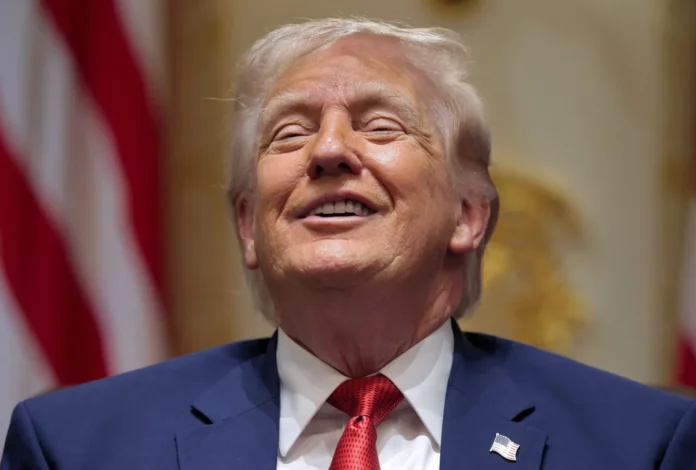
Donald Trump is exploring a strategy that would see key Gulf nations contribute financially toward U.S. military operations in the Middle East, particularly those connected to tensions involving Iran. According to officials familiar with the discussions, the approach centers on aligning financial responsibility with strategic benefit, encouraging regional stakeholders to play a more active role in maintaining stability.
The idea builds on Trump’s long-standing position that allies should contribute more toward collective defense efforts. Gulf countries, many of which have a direct stake in regional security and energy route protection, are being considered as potential contributors. The proposal remains under discussion, but early signals suggest it could include structured financial commitments, logistical backing, or infrastructure support tied to defense operations.
This development comes at a time when global attention remains focused on energy security and geopolitical stability in the Middle East. By introducing a cost-sharing framework, the administration is aiming to create a more balanced model of engagement that reflects both economic and strategic realities.
Why It Matters
Military operations abroad represent a significant financial commitment for the United States. By seeking contributions from regional allies, the administration is addressing a long-standing concern around sustainability and equitable burden-sharing. This approach could ease fiscal pressure while maintaining a strong presence in strategically important regions.
For Gulf nations, participation offers an opportunity to strengthen ties with the United States and gain greater influence in regional security decisions. It also reflects a broader trend in international relations, where economic participation is increasingly tied to strategic alignment. Countries that contribute financially may have a more direct role in shaping outcomes, creating a more collaborative framework.
From a market perspective, the move introduces a layer of predictability. Investors often respond positively to structured and sustainable policy approaches, particularly in regions that impact global energy supply. A clearer distribution of responsibility can reduce uncertainty and support long-term planning across sectors.
Political and Geopolitical Implications
Trump’s proposal highlights a shift toward transactional diplomacy, where alliances are defined not only by shared values but also by measurable contributions. This model emphasizes accountability and mutual benefit, potentially reshaping how international partnerships are structured.
Geopolitically, the plan could lead to a more regionally anchored security system. By involving Gulf nations more directly, it encourages localized ownership of stability efforts while maintaining U.S. leadership. This balance could enhance responsiveness to regional challenges and reduce dependency on a single actor.
Domestically, the strategy aligns with broader political messaging around fiscal responsibility and prioritizing national resources. Demonstrating that allies are contributing their share can strengthen support for international engagement while addressing concerns about long-term costs.
However, successful implementation will depend on diplomatic coordination. Ensuring that contributions are perceived as cooperative rather than obligatory will be key to maintaining strong relationships. The approach requires careful negotiation to balance expectations with trust.
Implications
If executed effectively, this cost-sharing model could redefine how global security operations are funded. It represents a move toward more balanced alliances, where economic and strategic responsibilities are shared. The broader outcome could be a more sustainable and collaborative international security framework.