Story Highlights
- Trump indicates Iran conflict nearing conclusion
- Strategic objectives described as largely achieved
- Energy route stability expected to improve
What Happened
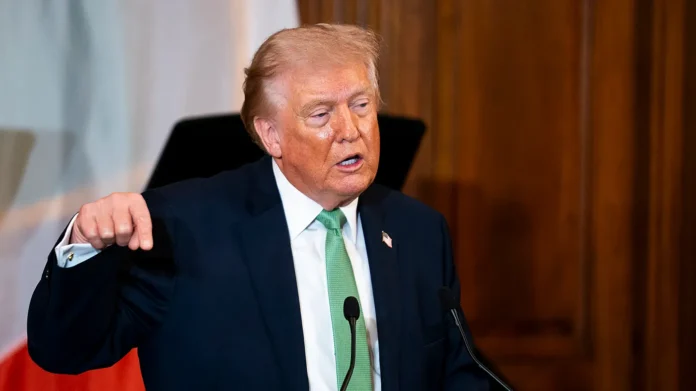
Donald Trump signaled that the ongoing conflict involving Iran may be approaching a resolution, indicating that key strategic goals have been met. In recent remarks, he expressed confidence that the situation is stabilizing and suggested that the current phase of military engagement could wind down in the near term.
He pointed specifically to the Strait of Hormuz, a critical global oil transit route, stating that normal operations are expected to resume as tensions ease. According to his assessment, the reopening of this passage would follow naturally once the United States reduces its active involvement, allowing regional conditions to stabilize.
These statements arrive during a period of heightened international attention on the Middle East, where developments continue to influence global trade, energy markets, and diplomatic relations. While official confirmations remain limited, the remarks present a narrative of controlled progress and strategic completion.
Why It Matters
The Strait of Hormuz plays a central role in global energy supply, making any disruption a matter of international concern. Signals of de-escalation are closely monitored by markets, as stability in this region directly affects oil prices, shipping routes, and investor confidence. Early reactions suggest cautious optimism as the possibility of reduced tensions emerges.
Beyond economic considerations, the statement frames the situation as one where defined objectives have been accomplished without prolonged engagement. This perspective is significant in shaping public understanding of the conflict, particularly in an environment where foreign policy outcomes are closely evaluated.
A potential resolution could also open the door to renewed diplomatic engagement. Transitions from conflict to negotiation often create opportunities for broader regional cooperation, involving multiple stakeholders with shared interests in stability and economic continuity.
Political and Geopolitical Implications
The remarks reinforce a strategic approach centered on decisive action followed by timely disengagement. This model reflects a preference for limited-duration involvement while maintaining clear operational goals. It also aligns with broader discussions around reducing extended military commitments abroad.
At the geopolitical level, easing tensions could lead to a recalibration of alliances and regional dynamics. Countries dependent on stable energy supplies may respond positively, while regional actors could shift focus toward diplomatic coordination and economic recovery.
Domestically, the messaging supports a narrative of effective leadership and strategic clarity. Presenting the situation as nearing resolution contributes to ongoing policy discussions around defense priorities, international engagement, and national interest.
The reference to automatic stabilization in key trade routes also reflects confidence in both operational outcomes and diplomatic channels. The extent to which this materializes will depend on developments in the coming period, including responses from regional stakeholders.
Implications
If the situation progresses as indicated, it could lead to reduced geopolitical risk, improved market stability, and renewed focus on diplomatic solutions in the Middle East. The broader implication is a shift from active conflict toward structured stability, with effects extending across economic and political systems.